How Does Reindeer Herding Work in Lapland?
Reindeer herding in Finland from the Reindeer Herders' Association: who may own reindeer, the herding area and cooperatives, earmarks, the round-ups, winter and calving, and who runs the farm visits.
Reindeer in Finland are semi-domesticated: they belong to owners, who mark them by the ear, but they graze freely across a herding area that covers 36% of the country, and are gathered in for calf marking in summer and for the round-ups from autumn into winter. Everything below comes from the Reindeer Herders’ Association, the body all 54 of Finland’s herding cooperatives belong to.
Who owns the reindeer
In Finland reindeer may only be owned by citizens of the European Economic Area who live permanently in the reindeer husbandry area, by the herding cooperatives, and by the Reindeer Herders’ Association itself. One person may own at most 500. The Association’s 2020 leaflet counts around 4,400 owners, 40% of them women.
Every owner belongs to one cooperative, and each cooperative is responsible for the herding in its own area. The state ordered owners to set up cooperatives with fixed boundaries in 1898. There are 54 of them, run by a board under a Chief of District, and they vary in area and in the number of reindeer they keep.
How many reindeer a herder owns is private. The leaflet says that, asked, a herder will usually answer vaguely, with a phrase such as “on both sides of the tree”.
The herding area
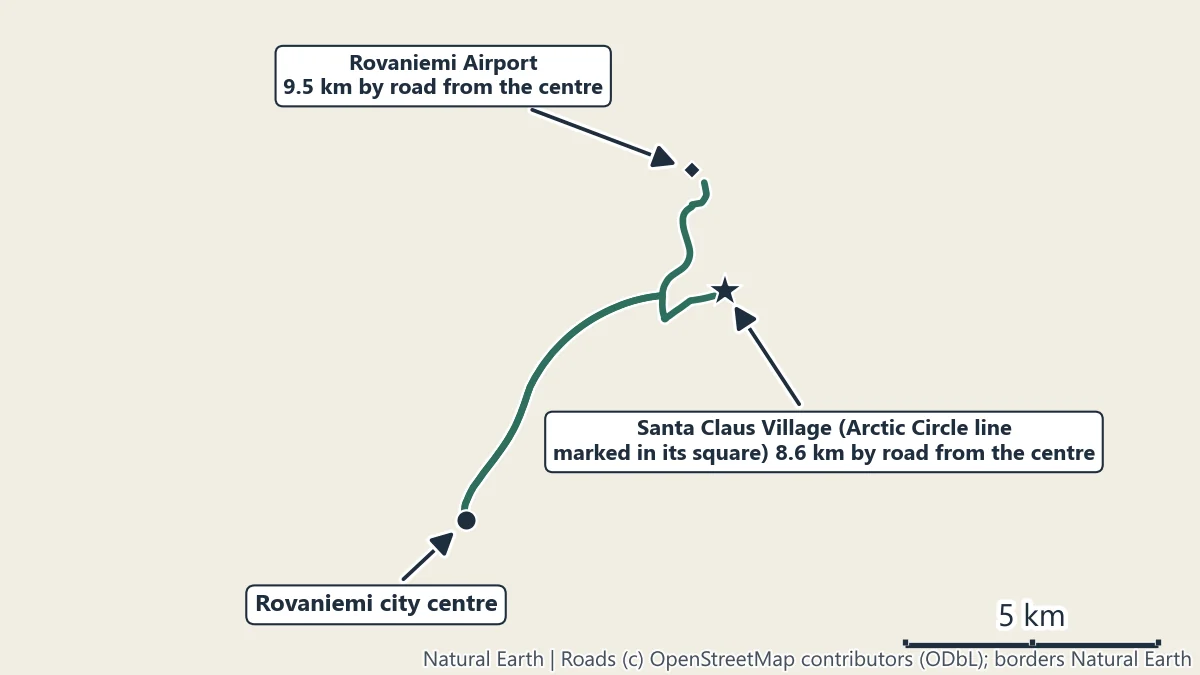
The reindeer husbandry area covers 122,936 square kilometres, 36% of Finland: almost all of Lapland and the northern parts of the North Ostrobothnia and Kainuu regions. Inside it, reindeer may graze freely whatever the ownership of the land. About 1,200 km of fences along the Norwegian and Russian borders keep them from wandering into other countries.
Around 200,000 live reindeer remain in the area after the ones for slaughter have been picked out at the round-ups.
Earmarks
Each owner has an earmark of their own, cut into the ears of the calves. The Association approves new earmarks and keeps the register; there are around 12,000 in use, built from 21 different marks. Children often get their own earmark while still small. A reindeer with no earmark is a “peura”, a deer, in the herders’ vocabulary.
The herding year
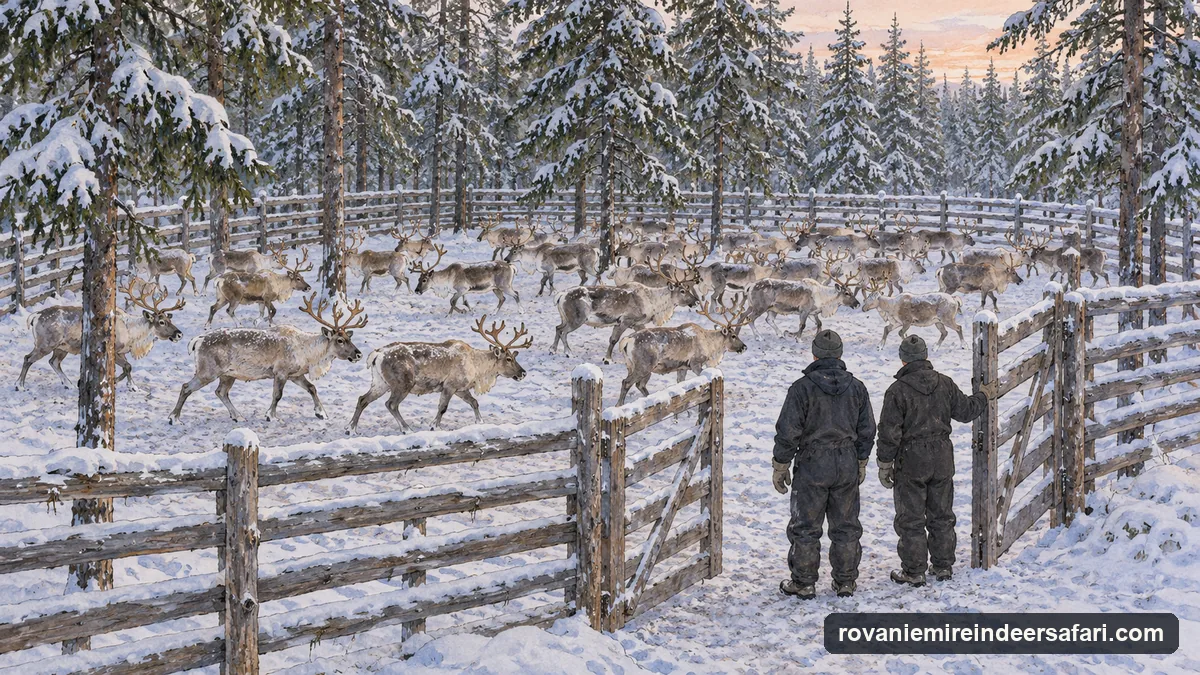
The herding year starts on 1 June. In summer the reindeer roam and graze freely; in high summer the insects drive them together into larger herds, and the herders use that to bring them into enclosures and earmark the calves. That work falls mostly in June and July, usually in the evening or at night when it is cooler.
The rut begins in autumn, and the leaflet’s advice is that “it is best to avoid going close to reindeer at this time of year”. The round-ups usually start in September or October and run into the midwinter months. The reindeer are driven into a round-up enclosure on foot, by ATV, by snowmobile or by helicopter, with dogs to help; those for slaughter are separated off, and every live one is caught, its earmark read out and recorded for the cooperative’s register, and given medicine against parasites.
In winter the reindeer dig through more than a metre of snow for food and can lose up to a fifth of their autumn weight. Herders feed them when they need it, and some keep their reindeer in enclosures for the winter months. Calves are born mostly in May.
Where a farm visit fits in
The Association calls reindeer tourism one of the main sources of income for herders, beside meat. Its page on reindeer farm tourism says most of the people offering farm visits are herders themselves, that tens of thousands of tourists take part each year and that over 90% of them come from abroad.
That is a statement about farm tourism in general, not about any particular company. On the outings in this guide, Arctic Photo Experience’s guests are met by herders at the farm, and Arctic Circle Snowmobile Park's Reindeer Manor visit has local herders on hand to answer questions about the herding way of life. Other outings say less about who meets you.
The leaflet also gives the history: herding as it is practised now began in the late Middle Ages, when the Sámi began to herd reindeer and travel with them through the seasons, and Finnish settlers took it up early on. The Association describes it as a livelihood passed down the generations that helps keep the Sámi language and the reindeer culture of both the Sámi and the Finns in the north alive.
What you will see on a winter visit
Most visits from Rovaniemi run in winter, in the months between the autumn round-ups and calving in May. You meet the reindeer at the farm, on most of these outings feed them, and hear the herders’ side of the year above. The sleigh rides are what the farms add for visitors; how far each one goes differs a lot from farm to farm.
Sources: Reindeer Herders’ Association (Paliskuntain yhdistys), “Reindeer in Finland” leaflet (2020) and the pages on reindeer husbandry, cooperatives and reindeer tourism at paliskunnat.fi, read November 2026.
Book Your Experience
Check Availability & Prices
Pick a date on the calendar. Cancel up to 24 hours in advance for a full refund.
More from Rovaniemi
Reindeer and Other Outings with Open Dates
Farm visits, sleigh rides and other outings from Rovaniemi with live availability. Pickup, what is included and the cancellation terms are shown before you book.
Hear It from the Herders
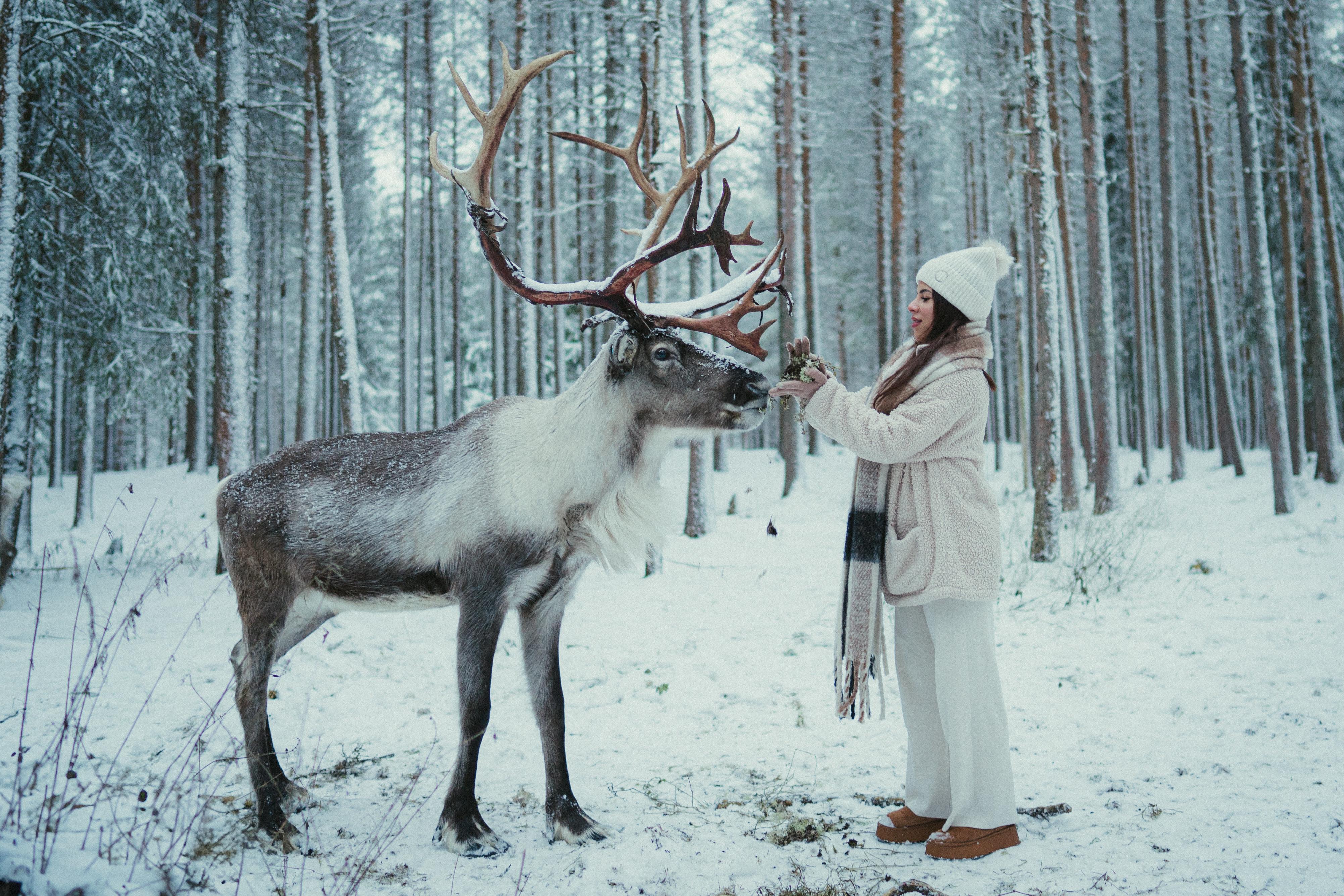
Arctic Photo Experience's farm visit from Rovaniemi: about two hours with the herders and their reindeer, photos, and a 400 m sleigh ride when there is enough snow.
See the farm visit